
10 Health Benefits of Eating Vegetables, According to a Dietitian
Eating vegetables is a fundamental component of a balanced and healthy diet. These nutrient-packed wonders…


Plants and trees are extraordinary creatures which disseminates valuable information to the human beings in a very different way. It grows on its own, fights for its rights and living, shares its fruits and vegetables with human beings, provides shelter to feather friends and animals, provides nectar to butterflies; shed its leaves and stem which is used as a fodder and timber respectively, seeds are eaten by worms, leaves are consumed by insects and the list goes on. This topic deals with a plant named Jerusalem Artichoke which comes under the kingdom plantae and family asteraceae. The botanical name of this plant is Helianthus tuberosus. The other common names of this plant sunroot, sunchoke, earth apple or topinambour.
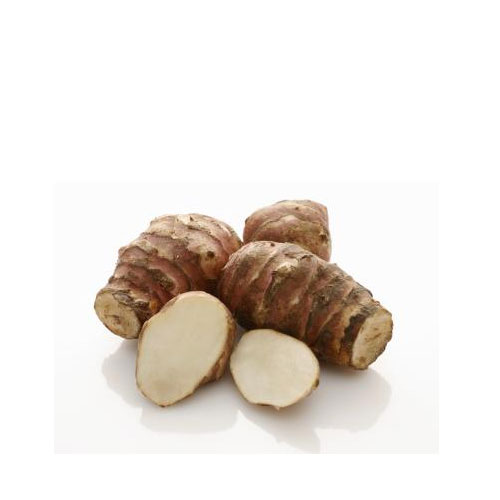
Root Vegetable Jerusalem Artichoke
This root vegetable looks somewhat like mammoth sized grey worm and ginger rhizome. This comes under the sun flower species and the tuber is used as a root vegetable. This beautiful plant is found in many parts of America and cultivated across the temperate zones of it tuber which is nothing but root vegetable. This plant grows throughout the year and hence considered as a perennial plant. This very tall plant grows up to 1.5m to 3m tall with opposite leaves on the upper part of the stem. The leaves grows wonderfully both on the upper and lower stem. The larger leaves that are found on the lower stem measures 30 cm long and are broad ovoid-acute. The leaves that are found on the lower stem are smaller and narrow. The flowers which are yellow measures 5-10 cm in diameter with 10-20 ray florets and 60 or more disc florets. The uneven tubers measure 10 cm long and 5 cm thick. The color of the vegetable varies from pale brown to white, red, or purple. This artichoke is a native of America and was grown in many parts of the country and migrated to Europe through tribes. There other names also for this plant namely french potato, Canada potato, topinambour, and lambchoke and sunchoke.
| Principle | Nutrient Value | Percentage of RDA |
|---|---|---|
| Energy | 73 Kcal | 3.70% |
| Carbohydrates | 17.44 g | 13% |
| Protein | 2 g | 4% |
| Total Fat | 0.01 g | <1% |
| Cholesterol | 0 mg | 0% |
| Dietary Fiber | 1.6 g | 4% |
| Vitamins | ||
| Folates | 13 µg | 3% |
| Niacin | 1.3 mg | 8% |
| Pantothenic acid | 0.397 mg | 8% |
| Pyridoxine | 0.077 mg | 6% |
| Riboflavin | 0.060 mg | 4.50% |
| Thiamin | 0.200 mg | 17% |
| Vitamin A | 20 IU | <1% |
| Vitamin C | 4 mg | 7% |
| Vitamin E | 0.19 mg | 1% |
| Vitamin K | 0.1 µg | <1% |
| Electrolytes | ||
| Sodium | 4 mg | <1% |
| Potassium | 429 mg | 9% |
| Minerals | ||
| Calcium | 14 mg | 1.40% |
| Copper | 0.140 mg | 15% |
| Iron | 3.40 mg | 42.50% |
| Magnesium | 17 mg | 4% |
| Manganese | 0.060 mg | 2% |
| Selenium | 0.7 µg | 1% |
| Zinc | 0.12 mg | 1% |
| Phyto-nutrients | ||
| Carotene-ß | 12 µg | — |
| Carotene-α | 0 µg | — |
| Lutein-zeaxanthin | 0 µg | — |
No one has exact idea about how the prefix Jerusalem came. It only appears in the name and there is no connection with Jerusalem of any sorts.