List Of Vegetables
- Absinthe Interesting Facts

- Ahipa Nutritional Values

- Akudjura Various Uses

- Amaranth Health Benefits

- American Pokeweed

- Aniseed Myrtle Properties

- Aonori Summary

- Apple Mint Uses

- Arame Medicinal Uses

- Arracacha Nutritional Value

- Artichoke Nutrition Values

- Arugula Health Summary

- Asarabacca Various Uses

- Asparagus Healthy Eating

- Avocado Nutrition Benefits

- Bamboo shoots

- Basil Nutrition Guide

- Beans Beneficial Properties

- Bean sprouts

- Beet Greens Nutrition Facts

- Beets Health Benefits

- Bishop’s weed Various Uses

- Bitter Gourd Nutritional Value

- Black Beans Benefits

- Blue Fenugreek Various Uses

- Boldo Medicinal Values

- Bok Choy Health Benefits

- Borage Greens Medicinal Purposes

- Bottle Guard Aspects

- Broccoli Health Properties

- Broccoflower Nutrition Guide

- Broccoli Raab Nutrition Values

- Broadleaf Arrowhead Health Benefits

- Brussel sprouts Nutrition Summary

- Burdock Health Benefits

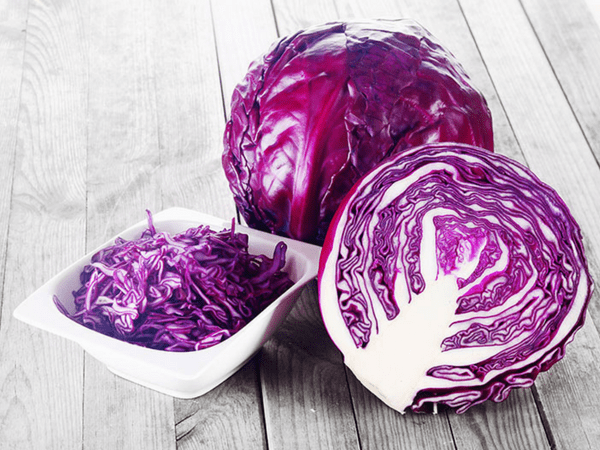
- Cabbage Health Facts

- Camas Health Benefits

- Cantaloupe Nutrition Guide

- Canella Uses

- Carrots Health Properties

- Cardoon Nutritional Value

- Carola Summary

- Cassava Health Properties

- Catnip Oil Benefits

- Catsear Flower Uses

- Celeriac Nutritional Value

- Celery Health Benefits

- Chard(Swiss & red)Nutrition Values

- Chaya Nutrition Facts

- Chervil Properties

- Good King Henry

- Chickweed Health Benefits

- Chickpeas Nutrition Summary

- Chile peppers Health Benefits

- Chinese Artichoke Uses

- Chinese Broccoli Nutritional Values

- Chinese cabbage Nutrition Values

- Chinese Mallow Aspects

- Chives Nutrition Guide

- Chrysanthemum Leaves Uses

- Cicely Unknown Benefits

- Cinnamon Myrtle Medicinal Value

- Collards Nutrition Facts

- Common Purslane Benefits

- Corn Health Values

- Corn Salad Interesting Facts

- Cress Medicinal Values

- Cucumber Health Benefits

- Culantro Leaves

- Curry Leaf Tree Origin

- Collard Greens Nutrition Facts
- Dabberlocks Interesting Facts

- Dandelion Health Benefits

- Dill Health requirements

- Drumstick Nutritional Value

- Dulse Health Benefits

- Earthnut Pea Properties

- Eggplant Nutrition Guide

- Elephant Foot yam Health Benefits

- Elephant Garlic Uses

- Endive Medicinal Properties

- Ensete Health Benefits

- Epazote Properties

- Fat Hen Interesting Facts

- Fingerroot Uses

- French Sorrel Health Facts

- Garlic Nutrition Values

- Gim seaweed Uses

- Ginger Flower Properties

- Ginger Medicinal Values

- Golden Samphire Aspects

- Greater Plantain Medicinal Uses

- Green onions Health Facts

- Green peas Nutrition Values

- Hijiki Nutritional Aspects

- Holy Basil Leaves

- Horseradish Health Benefits

- Onions Nutrition Guide
- Sea Beet Aspects

- Sea Lettuce Health Benefits

- Yam Nutritional Value

- Yarrow Medicinal Uses

- Zucchini Health Guide

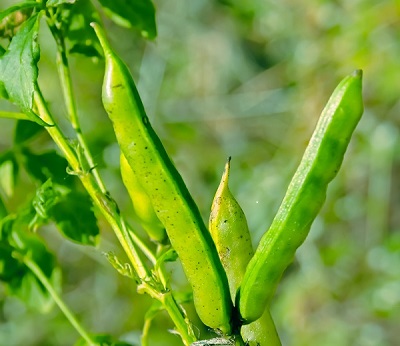
- Podded Vegetables
- Veggies by seasons
- Veggies did you know??

- Comparison of veggies!!!
- Veggies and it's origin
- Comical View of Veggiess
- Categories of veggies

- Top Veggiess 100 To 91
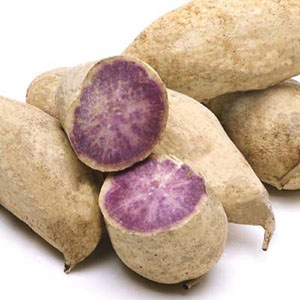
- Top Veggiess 90 To 81
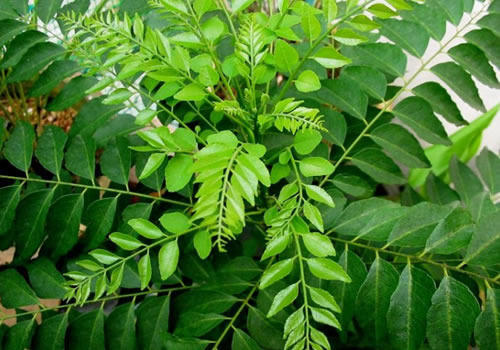
- Top Veggiess 80 To 71
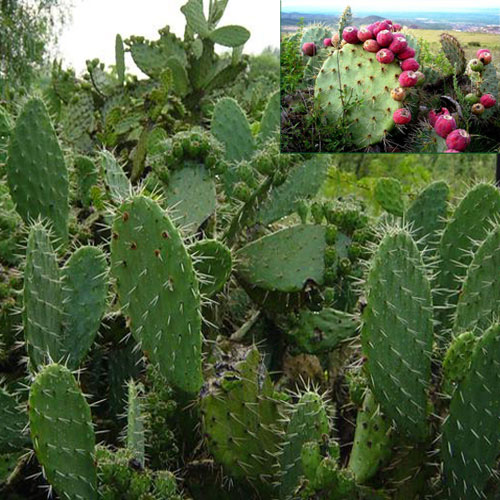
- Top Veggiess 70 To 61
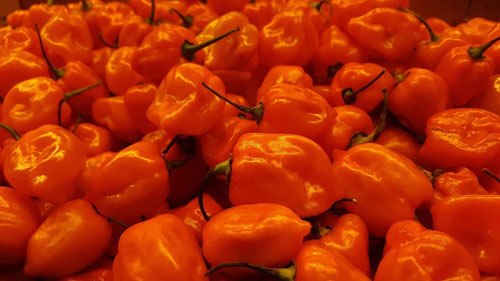
- Top Veggiess 60 To 51
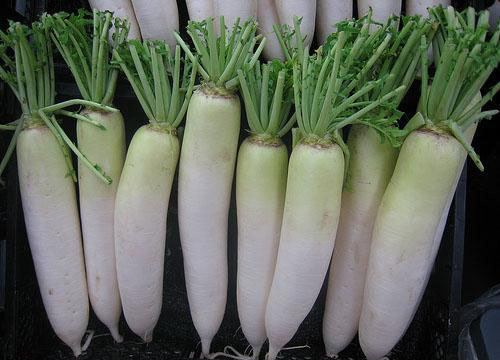
- Top Veggiess 50 To 41
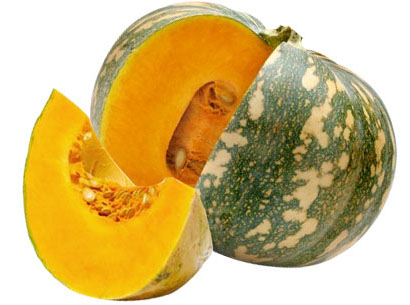
- Top Veggiess 40 To 31
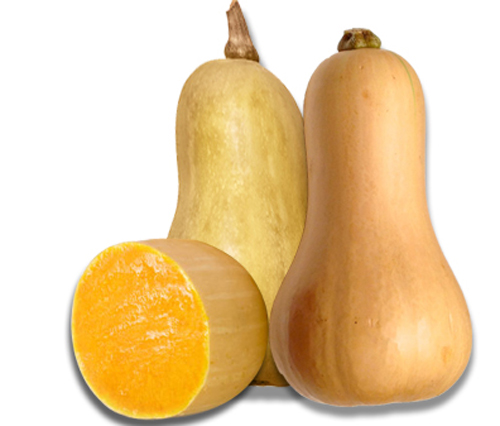
- Top Veggiess 30 To 21
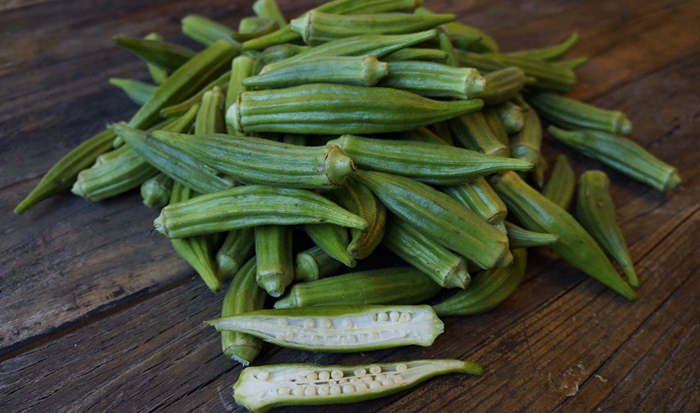
- Top Veggiess 20 To 11
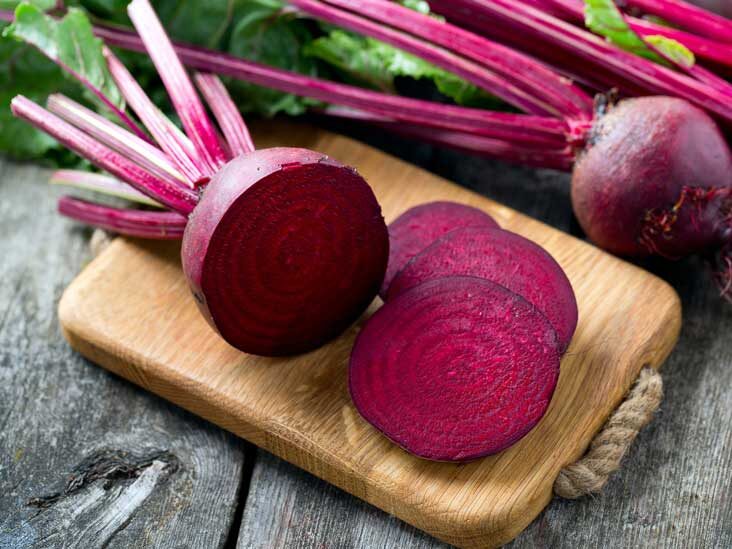
- Top Veggiess 10 To 01
- Bulb Vegetables
- The Story of Prince of vegetables
Veggie Picks
Compare Items Tool
Compare plant foods in a cleaner and smarter way
VeggiesInfo is a plant-based food information website created for readers who want clear and useful details about vegetables, nuts, seeds and spices. The comparison tool on this page helps users compare multiple plant items in one place instead of opening many separate pages. This makes the page useful for people who want a vegetable comparison tool, plant food comparison, nutrition comparison tool, food comparison table and an easier way to compare nutrition values online.
By bringing important details together in one result area, the tool helps users understand food differences quickly. Readers can check Indian name, type, scientific name, season, calories, protein, fiber, iron, vitamin C, short benefits and description in one structured view. This makes the comparison process easier, faster and more practical for everyday use.
VeggiesInfo is not just a reading website. It is a useful plant food platform that helps people explore nutrition values, plant identity and food differences in a more organized way.
A better website for plant-based food information
VeggiesInfo is built for readers who want structured information instead of scattered food content. Many websites talk about vegetables, nuts, seeds and spices in separate and unorganized ways, but VeggiesInfo presents plant-based food information in a more readable format. This helps users learn faster and understand details more clearly.
The website is useful for people who want to compare vegetables, explore nuts and seeds nutrition, understand spice information or review health benefits of vegetables in a more practical way. It supports simple learning, quick food comparison and better understanding of plant-based foods.
The comparison tool extends that purpose by helping users review multiple plant items together. Instead of reading one page at a time and remembering values manually, users can compare plant foods directly and save time.
A practical way to compare plant foods online
The compare items tool allows users to select up to three items and review them side by side in a structured result table. This is useful because most readers do not want to jump between many pages when they are trying to compare nutrition values or understand food differences.
With this tool, users can compare calories, protein, fiber, iron and vitamin C while also seeing important plant details such as item type, scientific name, Indian name, season and short benefits. This makes the page stronger than a simple nutrition-only table because it combines practical food information with useful comparison data.
- Compare up to three vegetables, nuts, seeds or spices at the same time.
- Check nutrition values in one clear and direct comparison table.
- Read plant identity fields and short benefits without extra page switching.
- Understand food differences more quickly and more clearly.
Important features that make this comparison page more useful
Compare up to three food items together
The tool supports up to three items in one comparison view. This gives users enough space for meaningful comparison without making the page feel crowded or difficult to read.
Read nutrition values in one direct result table
Calories, protein, fiber, iron and vitamin C appear side by side so users can identify differences quickly and use the page as a reliable nutrition comparison tool.
Understand food identity beyond numbers
Indian name, type, scientific name, season, short benefits and description help users understand each plant item more fully instead of relying only on raw numbers.
Useful for learning and practical decisions
The page works well for students, health-conscious readers, home users and researchers who want a cleaner way to compare plant-based food information.
Why users prefer this kind of food comparison page
Most readers do not visit a page like this just to read one block of information. They often want to compare foods and understand the differences directly. They may want to know which item has more fiber, which one contains more iron, or which plant fits their needs better. Without a comparison tool, that process becomes slow because the user has to move between different pages and remember values manually.
The VeggiesInfo comparison tool solves this by offering one shared comparison view. It is useful for people searching for compare vegetables online, compare plant foods, vegetable nutrition comparison, food differences comparison, scientific name of plants and health benefits of vegetables in a single location.
It is also helpful because different readers come with different goals. Some want quick nutrition facts. Some want plant identity information. Some want a food comparison table for research or learning. Some want support for better food choices. This page works well for all of these needs.
How this page helps users make better and faster food decisions
- Users save time because they do not need to open multiple pages to compare vegetables, nuts, seeds or spices.
- Food differences become easier to understand because the information is shown side by side in one place.
- The page supports better food decisions by making nutrition values easier to compare.
- Students and researchers can use the page to review plant names, types, seasons and descriptions clearly.
- The comparison experience is more complete because it combines descriptive food fields with nutrition values.
- The overall page feels more useful and more readable than plain comparison pages with only numbers.
Another strong advantage is readability. The design uses medium text, softer colors and balanced spacing so the content feels easier to scan. That improves both user comfort and page quality.
Why this tool is better than ordinary comparison pages
Many comparison pages are either too basic or too crowded. Some pages show only a few numbers, while others use too many large elements and become visually heavy. This VeggiesInfo comparison section is better because it stays focused, readable and useful.
It combines a clean comparison format with meaningful plant information. That makes the page more valuable than a basic table and more comfortable than an oversized design. The result is a better experience for users who want a premium-looking food comparison page without visual clutter.
Simple steps for using the compare items tool
Choose the first plant item
The visitor selects the first vegetable, nut, seed or spice from the dropdown field.
Add one or two more items
The user can add a second and third item to create a stronger side-by-side food comparison.
Click the compare button
After selecting the items, the user submits the form and receives a structured comparison result.
Read the results clearly
The reader can compare nutrition values, season, scientific name and short benefits more easily.
SEO strength built naturally into the page content
This page content naturally includes important search phrases without using separate keyword stuffing. The SEO value is built into the actual explanation of the website and the comparison tool.
Natural SEO phrases included in the content
- VeggiesInfo comparison tool
- compare plant foods online
- vegetable comparison tool
- plant-based food information
- compare nutrition values
- food comparison table
- nutrition comparison tool
- vegetable nutrition comparison
- compare vegetables online
- nuts and seeds nutrition comparison
- spice information tool
- food differences comparison
- plant food database
- scientific name of plants
- health benefits of vegetables
Quick answers for tool visitors
What can users compare here?
Users can compare vegetables, nuts, seeds and spices that are available in the VeggiesInfo plant item list.
How many items can be compared at one time?
The comparison tool supports up to three items at the same time so the page stays readable and useful.
What information is shown in the results?
The results show Indian name, type, scientific name, season, calories, protein, fiber, iron, vitamin C, short benefits and description.
Who can benefit from this tool?
Home users, students, health-conscious readers and researchers can all benefit from this comparison page.
Start comparing plant foods with more clarity
Use the VeggiesInfo comparison tool to compare vegetables, nuts, seeds and spices in one clean place and explore important food differences more easily.
Use Comparison ToolNuts and Seeds
- Acorn Nuts Nutrition Values

- Almond Nuts Beneficial Properties

- Alligator Pepper Medicinal Values

- Allspice Interesting Facts

- American Larger Chestnut

- Australian Cashewnut

- Ayurvedic Chufa Nuts

- Bambara Groundnut Health Facts

- Beech Nut Health Benefits

- Black Walnut Organic Facts

- Bold Leaves of Heartnut

- Borneo Tallow Nuts

- Brown Shell Brazil Nuts

- Buckwheat History And Uses

- Burrawang Nut

- Bush Mango Nuts

- Bush Peanut Nutritional Properties

- Cubeb Interesting Facts

- Candle Nuts Health Properties

- Chia Nutrition Facts

- Chickpea Nutritional Aspects

- Chilean Hazel Nutritional Value

- Chinese Herb Ginkonut

- Classical Areca Nuts

- Coconut Food Source

- Cowpea Nuts

- Cream White Cashew Nut

- Cream White Pine nuts

- Dark Brown Hazelnuts

- Dill Seed Medicinal Values

- Dry Chestnuts Facts

- Edible Chinese Chestnut

- Ethiopian Cardamom

- Edible Seed Jacknuts

- Fava Beans Medicinal Uses

- Fenugreek Seed Uses | Veggies Info

- Flax Seeds Health Benefits

- Grains of Paradise

- Grains of Selim

- Johnstone River Almond

- Gabon Nuts Health Requirements

- Horsegram Health Benefits

- Hyacinth Bean Aspects
- Indian Pea Cultivation

- Kola Nuts Health Properties

- Kurrajong Bottle Tree

- Malabar Chestnut

- Mature Macadamia Nuts

- Mongongo Seeds Oil

Spices
- Ajwain Nutrition Facts

- Amchoor Several Nutrition Facts

- Aniseed Potential Health Benefits

- Annatto Amazing Health Benefits

- Arrowroot Health Benefits

- Asafoetida Herb Nutrition Facts

- Black Cardamom Uses

- Brown Colour Star Anise

- Black Cumin Medicinal Properties

- Bay Leaves

- Caraway Seeds Nutrition Facts

- Cassia Unbeatable Health Benefits


