List Of Vegetables
- Absinthe Interesting Facts

- Ahipa Nutritional Values

- Akudjura Various Uses

- Amaranth Health Benefits

- American Pokeweed

- Aniseed Myrtle Properties

- Aonori Summary

- Apple Mint Uses

- Arame Medicinal Uses

- Arracacha Nutritional Value

- Artichoke Nutrition Values

- Arugula Health Summary

- Asarabacca Various Uses

- Asparagus Healthy Eating

- Avocado Nutrition Benefits

- Bamboo shoots

- Basil Nutrition Guide

- Beans Beneficial Properties

- Bean sprouts

- Beet Greens Nutrition Facts

- Beets Health Benefits

- Bishop’s weed Various Uses

- Bitter Gourd Nutritional Value

- Black Beans Benefits

- Blue Fenugreek Various Uses

- Boldo Medicinal Values

- Bok Choy Health Benefits

- Borage Greens Medicinal Purposes

- Bottle Guard Aspects

- Broccoli Health Properties

- Broccoflower Nutrition Guide

- Broccoli Raab Nutrition Values

- Broadleaf Arrowhead Health Benefits

- Brussel sprouts Nutrition Summary

- Burdock Health Benefits

- Cabbage Health Facts

- Camas Health Benefits

- Cantaloupe Nutrition Guide

- Canella Uses

- Carrots Health Properties

- Cardoon Nutritional Value

- Carola Summary

- Cassava Health Properties

- Catnip Oil Benefits

- Catsear Flower Uses

- Celeriac Nutritional Value

- Celery Health Benefits

- Chard(Swiss & red)Nutrition Values

- Chaya Nutrition Facts

- Chervil Properties

- Good King Henry

- Chickweed Health Benefits

- Chickpeas Nutrition Summary

- Chile peppers Health Benefits

- Chinese Artichoke Uses

- Chinese Broccoli Nutritional Values

- Chinese cabbage Nutrition Values

- Chinese Mallow Aspects

- Chives Nutrition Guide

- Chrysanthemum Leaves Uses

- Cicely Unknown Benefits

- Cinnamon Myrtle Medicinal Value

- Collards Nutrition Facts

- Common Purslane Benefits

- Corn Health Values

- Corn Salad Interesting Facts

- Cress Medicinal Values

- Cucumber Health Benefits

- Culantro Leaves

- Curry Leaf Tree Origin

- Collard Greens Nutrition Facts
- Dabberlocks Interesting Facts

- Dandelion Health Benefits

- Dill Health requirements

- Drumstick Nutritional Value

- Dulse Health Benefits

- Earthnut Pea Properties

- Eggplant Nutrition Guide

- Elephant Foot yam Health Benefits

- Elephant Garlic Uses

- Endive Medicinal Properties

- Ensete Health Benefits

- Epazote Properties

- Fat Hen Interesting Facts

- Fingerroot Uses

- French Sorrel Health Facts

- Garlic Nutrition Values

- Gim seaweed Uses

- Ginger Flower Properties

- Ginger Medicinal Values

- Golden Samphire Aspects

- Greater Plantain Medicinal Uses

- Green onions Health Facts

- Green peas Nutrition Values

- Hijiki Nutritional Aspects

- Holy Basil Leaves

- Horseradish Health Benefits

- Onions Nutrition Guide
- Sea Beet Aspects

- Sea Lettuce Health Benefits

- Yam Nutritional Value

- Yarrow Medicinal Uses

- Zucchini Health Guide

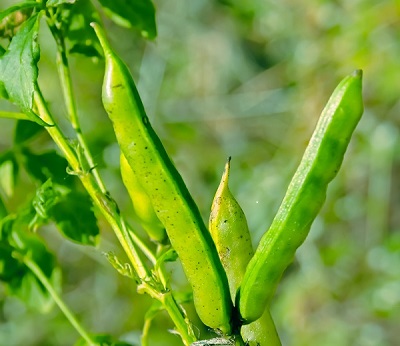
- Podded Vegetables
- Veggies by seasons
- Veggies did you know??

- Comparison of veggies!!!
- Veggies and it's origin
- Comical View of Veggiess
- Categories of veggies

- Top Veggiess 100 To 91
- Top Veggiess 90 To 81

- Top Veggiess 80 To 71
- Top Veggiess 70 To 61

- Top Veggiess 60 To 51
- Top Veggiess 50 To 41
- Top Veggiess 40 To 31
- Top Veggiess 30 To 21
- Top Veggiess 20 To 11
- Top Veggiess 10 To 01
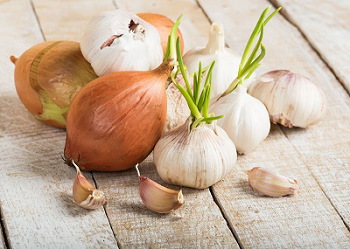
- Bulb Vegetables
- The Story of Prince of vegetables
Veggie Picks
Food Finder Tool
Search vegetables, nuts, seeds and spices using item name, Indian name, scientific name, season and type filters. This tool shows only the top 7 matching results to keep the center page clean.
Absinthe
It may support digestion and wellness when used as part of a balanced diet.
Absinthe is valued in kitchens for its strong flavor and traditional uses. A small amount can add aroma, warmth and depth to many recipes. It may support digestion and wellness when used as part of a balanced diet.
Acorn
When eaten in moderation, it can be part of a balanced and energy-rich diet.
Acorn is a nutrient-rich nut enjoyed for its flavor and satisfying texture. Its rich texture makes it useful in both simple snacks and premium recipes. When eaten in moderation, it can be part of a balanced and energy-rich diet.
Ahipa
It may support a balanced diet by adding fiber, vitamins and natural plant nutrients.
Ahipa is often used in home-style dishes because it blends well with many recipes. It can be added to curries, soups, stir-fries, salads or simple side dishes depending on the recipe. It may support a balanced diet by adding fiber, vitamins and natural plant nutrients.
Ajwain
It may support digestion and wellness when used as part of a balanced diet.
Ajwain is a flavorful plant ingredient used to improve aroma and taste in cooking. A small amount can add aroma, warmth and depth to many recipes. It may support digestion and wellness when used as part of a balanced diet.
Akudjura
It is a good choice for people who want more plant-based foods in their diet.
Akudjura is a familiar ingredient valued for its taste, texture and nutrition. Many people use it in cooked dishes, light meals and traditional food preparations. It is a good choice for people who want more plant-based foods in their diet.
Allspice
It may support digestion and wellness when used as part of a balanced diet.
Allspice is a flavorful plant ingredient used to improve aroma and taste in cooking. It can be used in curries, soups, teas, spice blends or simple home dishes. It may support digestion and wellness when used as part of a balanced diet.
Almond
When eaten in moderation, it can be part of a balanced and energy-rich diet.
Almond is a popular nut used in snacks, sweets and many food preparations. It can be eaten alone, added to desserts, mixed into breakfast foods or used in traditional recipes. When eaten in moderation, it can be part of a balanced and energy-rich diet.
Search plant foods in a smarter, sharper and more attractive way
The VeggiesInfo Food Finder Tool is made for users who want to discover vegetables, nuts, seeds and spices quickly without browsing many separate pages. Instead of opening item after item and trying to locate nutrition details manually, users can search by item name, Indian name, scientific name, type and season in one clean center page. This makes the tool useful for readers who are looking for a food finder tool, plant food search tool, vegetable search tool, nuts and seeds finder, spice search tool, food search by scientific name and a smarter way to explore plant-based food information.
The search results also stay focused because the page shows only the top matching items. That helps users avoid information overload and keeps the center section clean, practical and premium in appearance.
A better website for plant-based food discovery
VeggiesInfo is a plant-based food information website built to help users understand vegetables, nuts, seeds and spices in a more organized way. Instead of leaving readers with scattered information across unrelated pages, the website brings food identity, nutrition values, seasonal details, short benefits and useful descriptions together in a readable structure. This makes VeggiesInfo more useful for readers who want a plant food database they can actually use.
Many users visit a website like this because they want to find something specific. Sometimes they know the item name. Sometimes they remember an Indian name. Sometimes they only know the scientific name, food type, benefit or season. A strong website should support all of those paths, and that is exactly why the Food Finder Tool is valuable. It turns the website into a more practical discovery system.
The Food Finder Tool fits naturally into the VeggiesInfo experience because the site already has a large collection of plant-based content. Instead of forcing users to search manually through long menus, this page gives them a more direct and focused search experience.
A practical way to use a plant food search tool
The Food Finder Tool helps users search for plant-based items using text queries and filters. A user can type an item name, Indian name, scientific name, benefit word or related text and then refine results with type and season. This makes the page far more practical than a plain search list because it allows different search styles in one place.
The results are also limited to the top matching items, which keeps the page clear and avoids long cluttered result pages. Every result card includes more than just the item name. It also shows Indian name, type, scientific name, season, calories, protein, fiber, iron, vitamin C, short benefits and description. That means users do not just find an item — they immediately get useful plant and nutrition information too.
This combination makes the Food Finder Tool useful for readers who want a vegetable search tool, a nuts and seeds finder, a spice search tool, or a smarter database search experience across plant foods.
Food search becomes cleaner, faster and more relevant
Search tools are most helpful when they remove effort. Many users know roughly what they want to find, but they do not want to browse long category pages and open many separate links. This Food Finder Tool reduces that effort by bringing search, filters and result details into one page.
It also improves relevance. The type filter helps users focus on vegetables, nuts, seeds or spices. The season filter helps them narrow results by availability. The text search allows them to use familiar words instead of needing a strict exact match. These three features make the search process feel more natural and more useful.
Direct Search Flow
Users can search with the words they already know, including item name, Indian name, scientific name or short benefit related text.
Better Filter Clarity
Type and season controls make results more focused, which helps users discover more relevant food items faster.
Useful Result Cards
Each card includes practical food identity and nutrient values, so users can learn immediately after searching.
Why this page works better than a plain food search page
A plain search page often shows only titles and links. That means the user must click again and again to decide whether a result is relevant. This Food Finder Tool is better because it gives the user more information at the search stage itself. They can read the item name, Indian name, type, season, scientific name and nutrient values without leaving the page.
Another advantage is presentation. The search interface is simple, and the result cards are easier to scan than long text lists. The page feels more premium because it uses stronger section backgrounds, structured cards and visual separation between each part of the content. That improves both user comfort and page quality.
Because the content comes from a plant-focused website, the search results also feel more relevant than a mixed search system that combines unrelated foods. This helps the tool serve users who specifically want vegetables, nuts, seeds and spices in one discovery flow.
How this page supports better plant food discovery
The Food Finder Tool is useful because it helps users move from searching to understanding without extra steps. It supports both quick discovery and deeper food learning.
- Users save time because they can search, filter and review details on one page.
- The tool improves clarity by showing only the top results instead of overwhelming the user with a long list.
- Searching by item name, Indian name or scientific name makes the page more flexible for different users.
- Type and season filters help people focus on the most relevant category and time-based food options.
- The result cards support food learning by showing nutrients, short benefits and descriptions together.
- The page is useful for home users, students, food researchers and readers exploring plant-based ingredients.
- The tool makes the VeggiesInfo database feel more practical and easier to use.
Another important benefit is confidence. When the user sees nutrition values and descriptions inside the result cards, the search process feels more complete and trustworthy. That makes the tool not only useful for finding foods, but also for understanding them.
How different visitors can use the Food Finder Tool
For home users
Home users can search for a familiar ingredient, season-specific item or useful food benefit without browsing the whole website manually.
For students
Students can search by scientific name or plant type and quickly review structured nutrition and description details.
For nutrition readers
Readers interested in calories, protein, fiber, iron and vitamin C can review those nutrient values directly in the result cards.
For researchers
Researchers or plant information readers can use the tool to locate foods by scientific name, category or benefit related text.
SEO keywords built naturally into this Food Finder page
This content naturally includes strong search phrases related to your tool and the way users search for plant-based foods. The keywords are part of the real content and not added as separate stuffing.
Quick answers for Food Finder Tool users
What does this Food Finder Tool do?
It helps users search vegetables, nuts, seeds and spices using text input and filters, then shows the top matching results with useful food details.
What can users search by?
Users can search by item name, Indian name, scientific name, benefit related text, type and season.
Why does the page show only 7 results?
The result limit keeps the center section cleaner and easier to scan, so users can focus on the most relevant matches first.
What information is shown in each result card?
Each card shows item name, Indian name, type, scientific name, season, calories, protein, fiber, iron, vitamin C, short benefits and description.
Who can benefit from this page?
Home users, students, nutrition readers and plant-food researchers can all benefit from this more focused and practical search experience.
Find vegetables, nuts, seeds and spices in a smarter way
Use the VeggiesInfo Food Finder Tool to search plant foods by name, type, season and scientific details in one clear and attractive place.
Use Food Finder ToolNuts and Seeds
- Acorn Nuts Nutrition Values

- Almond Nuts Beneficial Properties

- Alligator Pepper Medicinal Values

- Allspice Interesting Facts

- American Larger Chestnut

- Australian Cashewnut

- Ayurvedic Chufa Nuts

- Bambara GroundnutHealth Facts

- Beech Nut Health Benefits

- Black Walnut Organic Facts

- Bold Leaves of Heartnut

- Borneo Tallow Nuts

- Brown Shell Brazil Nuts

- Buckwheat History And Uses

- Burrawang Nut

- Bush Mango Nuts

- Bush Peanut Nutritional Properties

- Cubeb Interesting Facts

- Candle Nuts Health Properties

- Chia Nutrition Facts

- Chickpea Nutritional Aspects

- Chilean Hazel Nutritional Value

- Chinese Herb Ginkonut

- Classical Areca Nuts

- Coconut Food Source

- Cowpea Nuts

- Cream White Cashew Nut

- Cream White Pine nuts

- Dark Brown Hazelnuts

- Dill Seed Medicinal Values

- Dry Chestnuts Facts

- Edible Chinese Chestnut

- Ethiopian Cardamom

- Edible Seed Jacknuts

- Fava Beans Medicinal Uses

- Fenugreek Seed Uses | Veggies Info

- Flax Seeds Health Benefits

- Grains of Paradise

- Grains of Selim

- Johnstone River Almond

- Gabon Nuts Health Requirements

- Horsegram Health Benefits

- Hyacinth Bean Aspects
- Indian Pea Cultivation

- Kola Nuts Health Properties

- Kurrajong Bottle Tree

- Malabar Chestnut

- Mature Macadamia Nuts

- Mongongo Seeds Oil

Spices
- Ajwain Nutrition Facts

- Amchoor Several Nutrition Facts

- Aniseed Potential Health Benefits

- Annatto Amazing Health Benefits

- Arrowroot Health Benefits

- Asafoetida Herb Nutrition Facts

- Black Cardamom Uses

- Brown Colour Star Anise

- Black Cumin Medicinal Properties

- Bay Leaves

- Caraway Seeds Nutrition Facts

- Cassia Unbeatable Health Benefits


